

 Current position > Product detail
『Refrigerant Flow Meter 316L Wetted Parts: Defending Internal Channels Against Acid Decay』Related information(flow rotameter|digital flow meter|balo meter|hydraulic flow meter|volumetric meter|positive displacement meter|pitot tube flow meter|displacement meter|cfm meter|variable area flow meter|inline flow meter|differential pressure flow meter|calibrated flow meter|velocity meter|paddle wheel flow meter|oval gear flow meter|anemometer hvac|multiphase flow meter|doppler flow meter|thorpe tube flowmeter|heat flow meter)
Refrigerant Flow Meter 316L Wetted Parts: Defending Internal Channels Against Acid Decay
Quick Answer: Refrigerant flow meters with 316L wetted parts resist acid decay caused by moisture and refrigerant breakdown. Silver Instruments supplies Coriolis mass flow meters with full 316L sensor bodies and zero internal elastomers. For ammonia, R134a, R22, or CO2, a 316L design eliminates internal channel pitting and extends service life beyond 10 years in many plants.
The Hidden Acid Threat in Refrigerant Systems
Most engineers assume refrigerant stays pure. In practice, moisture ingress combines with ester oils or fluorinated refrigerants to form weak acids. R134a partially hydrolyses into hydrofluoric acid in the presence of water. R22 can generate hydrochloric acid under elevated discharge temperatures. Even ammonia, though alkaline, can stress copper alloys and cause dezincification. Flow meter internal channels made from 316 stainless steel avoid these failure modes. We have seen carbon steel meters perforate within 18 months on a refrigeration skid in Thailand because of acid condensation during shutdowns.
Why 316L Works Where 304 Fails
304 stainless steel offers basic corrosion resistance but suffers pitting and crevice corrosion in low-pH chloride environments. 316L adds molybdenum, which stabilises the passive oxide layer against halide attack. For refrigerant plants where hydrofluoric or hydrochloric acids form at ppm levels, 316L wetted surfaces stay intact. Silver Instruments uses vacuum-impregnated 316L castings for our Coriolis flow tubes, then passivates every sensor with nitric acid. The internal surface roughness stays below 0.8 µm Ra, leaving no nucleation sites for acid droplets.
Selecting the Right Flow Meter Technology
For liquid refrigerants like ammonia or R507, a Coriolis mass flow meter gives direct mass flow, density, and temperature. It needs no compensation for pressure or temperature. Our SI-CMF series comes with DN15 to DN100 connections, ratings up to PN40, and +0.15 percent accuracy for mass flow. The wetted parts include 316L measuring tubes and 316L process flanges, no internal gaskets. In gas-phase refrigerant measurement, we often recommend our thermal mass flow meter with a 316L probe for anhydrous ammonia vapor. But for acid resistance in liquid lines, Coriolis remains the preferred choice. Many EPC contractors in the Middle East specify 316L Coriolis meters for ammonia chiller packages because they handle -30 °C to +120 °C without liner delamination.
Installation Practices That Prevent Internal Channel Decay
Even the best 316L meter benefits from smart installation. Mount the meter where it stays flooded, avoiding dry spots after shutdown. If the refrigerant contains a small oil carryover, an upstream separator keeps fouling films off the tube wall. We advise a minimum back pressure of 1.5 bar(a) to suppress outgassing inside the measuring tubes. On a recent project in Durban, South Africa, a cold storage operator saw acid-related pitting on a competitor meter because the meter pocket drained partially during defrost cycles. They switched to our fully welded 316L Coriolis meter and added a simple check valve downstream. The problem disappeared.
What Silver 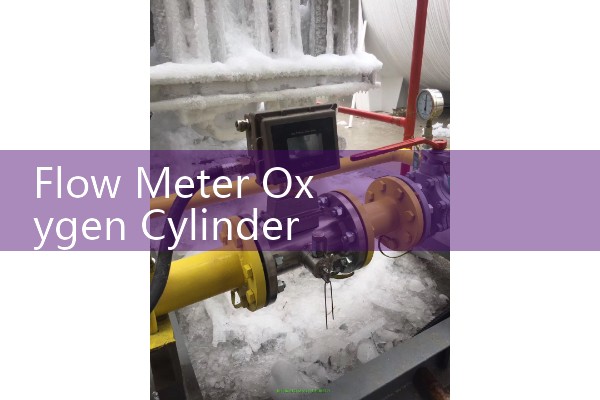
Our standard refrigerant flow meter packages include 316L wetted parts, 4-20 mA HART output, and optional ATEX or IECEx certification for Zone 1 or Zone 2. Every meter ships with a material certificate for the 316L sensor to EN 10204 3.1. We also provide PT100 temperature sensing built into the Coriolis tube and an electronics housing rated IP67. For ammonia, we offer an option with degreased parts and no copper-containing alloys in any wetted component. Because acid attack often goes unnoticed until a leak occurs, the meter firmware can trend the internal tube damping factor as an early corrosion indicator. Most engineers skip this diagnostic, but it can save a batch.
Real-World Data from the Field
In late 2023, a food processing plant in Jakarta replaced their orifice plate system with an SI-CMF025 Coriolis meter on an NH3 liquid line. The line ran at +35 °C and 14 bar. After eight months, they inspected the flow tube borescope. Zero pitting. No discolouration. The old orifice carrier, made from 316L but with 304 impulse lines, had shown brown scale and a 0.3 mm wall loss. This was not a laboratory test. It was a working refrigeration system. That result convinced their engineering team to standardise on 316L Coriolis meters from Silver Instruments.
Frequently Asked Questions About Refrigerant Flow Meter Acid Resistance
Q: Which refrigerant fluids are compatible with 316L wetted parts?
A: Ammonia, R134a, R22, R410A, R507, and CO2 all work with 316L sensor bodies. The key is to avoid long-term exposure to wet acids at temperatures above 60 °C without passivation.
Q: Can a Coriolis flow meter measure both liquid and gas refrigerant?
A: Yes, a Coriolis meter can measure liquid, gas, and supercritical refrigerant. For pure gas lines, the smallest pressure drop models may be preferred. We can advise based on your density range.
Q: How quickly can acid eat through a standard meter?
A: In poorly maintained systems, we have seen carbon steel internals leak within 12 to 18 months. Even 304 stainless shows pit growth of 0.5 mm per year in chloride-rich wet acid conditions. 316L effectively stops this.
Q: What certifications are available for refrigerant flow meters in hazardous areas?
A: Our 316L Coriolis meters carry ATEX II 1/2 G Ex ia IIC T6…T1 and IECEx equivalents. This covers ammonia compressor rooms classified Zone 1.
Q: What maintenance is needed to keep the internal channels clean?
A: No routine cleaning is required if the system stays dry. After a major moisture ingress event, we recommend flushing the meter with dry nitrogen and checking the internal damping value via HART.
Request a Quotation with Your Specific Refrigerant Data
Tell us your refrigerant, pressure (bar), temperature (°C), pipe size (DN), and flow range (kg/h or m³/h). We will propose a 316L flow meter that fits your system. Contact Silver Automation Instruments: Email [email protected], Tel +86-25-68650347, Whatsapp +86-25-52155837, WeChat +86 15365082610. Or visit flow-meter.com.au for product data sheets and application notes.