

『Flow Meter Oxygen Cylinder: General Safety Standards for Gas Flow Regulation』Related information(flow rotameter|digital flow meter|balo meter|hydraulic flow meter|volumetric meter|positive displacement meter|pitot tube flow meter|displacement meter|cfm meter|variable area flow meter|inline flow meter|differential pressure flow meter|calibrated flow meter|velocity meter|paddle wheel flow meter|oval gear flow meter|anemometer hvac|multiphase flow meter|doppler flow meter|thorpe tube flowmeter|heat flow meter)
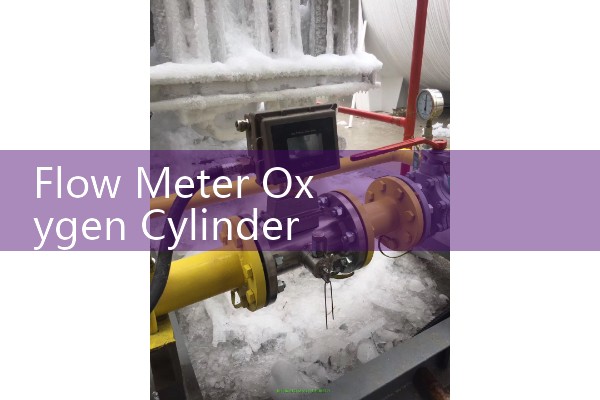
Flow Meter Oxygen Cylinder: General Safety Standards for Gas Flow Regulation
Quick Answer: Oxygen cylinder flow meters need oxygen-clean materials, a pressure rating matched to your regulator, and a direct reading oxygen scale. Brass or 316L stainless steel bodies with PTFE seals work for most industrial O2 service up to 10 bar. Send us your gas type, pressure in bar, flow range in L/min, and fitting size for a quote.
What an Oxygen Cylinder Flow Meter Must Do
A flow meter on an oxygen cylinder does two jobs. It shows the gas flow rate and it gives the operator a way to set that flow. Most cylinder applications use variable area flow meters because they do not need external power. Common ranges are 0-5 L/min, 0-15 L/min, 0-25 L/min and 0-50 L/min. Inlet pressure after the regulator usually sits between 2 bar and 10 bar. The flow meter itself is not designed for full cylinder pressure. Full cylinder pressure can reach 150 bar or 200 bar and will damage a low pressure glass tube or metal tube unit.
We see many requests from Southeast Asian aquaculture projects that dose oxygen into shrimp ponds. A customer in Malaysia asked for 20 units with 0-15 L/min oxygen scales and 1/4 inch BSP female connections. Another customer in Peru needed 0-30 L/min for ozone generation in a water treatment skid. These are normal cylinder duty sizes. If you need panel mounting or wall mounting, say that in the inquiry.
Oxygen Clean Rules and Material Limits
Oxygen service has one hard rule. No oil and no grease on any wetted part. Hydrocarbon residue can ignite in a pure oxygen stream. This is why oxygen flow meters are cleaned and sealed before shipping. Do not use standard pipe dope or thread sealant with hydrocarbon base. Use an oxygen rated thread sealant or clean PTFE tape. For reference, CGA G-4.1 covers cleaning of equipment for oxygen service. ISO 15001 is also used by some suppliers in Australia and the Gulf.
Body materials matter. Brass is common for low pressure oxygen flow meters. 316L stainless steel is better when the gas is humid or when the unit sits outdoors. PTFE and Viton seals are accepted in many cases. PTFE is the safer choice for high purity oxygen. Aluminium parts need careful review because aluminium can be a higher ignition risk in some oxygen pressure conditions. For industrial cylinder duty we usually recommend brass or 316L stainless steel.
Pressure Ratings and Regulator Matching
Install the flow meter downstream of a pressure regulator. The regulator drops cylinder pressure to a stable working pressure. The flow meter should have a maximum working pressure above that setting, usually 10 bar or 20 bar. A typical oxygen cylinder regulator outlet is 4.5 bar for cutting torches or 10 bar for some high flow jobs. Check the flow meter label. If the label says 10 bar max, do not connect it to a 15 bar regulator setting.
Thread size also matters. Common oxygen cylinder flow meter connections are 1/4 inch NPT, 1/2 inch NPT, 1/4 inch BSP, 1/2 inch BSP, DN15 and DN20. Because BSP and NPT are not the same, tell us the thread form you need. We can supply NPT threads for customers in the Philippines and Malaysia. We can supply BSP threads for customers in Australia, Saudi Arabia and the UAE. Last year a customer in Vietnam ordered 10 oxygen rotameters for a fish processing plant and forgot to specify BSP threads. The units shipped with NPT threads and the local contractor lost one day adapting them.
Gas Flow Regulation and Scale Selection
Use a flow meter with an integrated needle valve for cylinder work. The valve lets the operator set a repeatable flow. In some designs the valve is on the inlet. In others it is on the outlet. Both work if the flow meter is installed downstream of a regulator. For oxygen,
The scale on the tube should be direct reading for oxygen. If the tube was calibrated for air, the reading will not match actual oxygen flow. Oxygen is denser than air, so a float in oxygen moves differently. So a direct reading oxygen scale removes this error. If only an air tube is available, you need a correction factor and your maintenance team must remember to apply it. Most engineers skip this part. We have seen this on customer sites many times, and the measured flow error can be 5 to 10 percent.
Installation and Leak Check
Mount the flow meter in a vertical position. Variable area flow meters read correctly only when the tube is vertical. Use two wrenches when tightening fittings. One wrench holds the flow meter body and the other turns the fitting. This prevents cracked threads and damaged valve seats. Pressurize the oxygen line slowly. A sudden blast of gas can slam the float into the top fitting and break the tube.
After pressurization, use an oxygen compatible leak detection fluid on every joint. Check the inlet, outlet, valve stem and tube seals. A small leak on an oxygen cylinder wastes gas and can be dangerous if it goes into a confined space. If you smell oxygen, that tells you nothing because oxygen has no odor. The leak detection fluid is the only reliable field check.
Silver Instruments Options and What to Send
Silver Automation Instruments supplies industrial flow meters for oxygen, air, nitrogen, CO2 and argon. For oxygen cylinder duty we offer brass body variable area flow meters with integrated needle valves. We also offer 316L stainless steel metal tube rotameters for outdoor or harsh service. Typical flow ranges are 0.5 L/min to 200 L/min. Connections include 1/4 inch NPT, 1/2 inch NPT, 1/4 inch BSP, 1/2 inch BSP, DN15 and DN20.
For remote monitoring we can add a 4-20 mA HART output. For hazardous area installations we can supply ATEX Zone 1 versions. If your oxygen line runs at high pressure after the cylinder, do not order a low pressure flow meter. Send us the pressure at the flow meter inlet and the flow range. This gives us the data to recommend the correct body material and valve size.
Get a direct quote by sending your gas type, pressure in bar, temperature in °C, pipe size in DN and flow range in L/min. Contact Silver Automation Instruments. Tel: +86-25-68650347. WhatsApp: +86-25-52155837. WeChat: +86 15365082610.
FAQ
Can a flow meter go directly on an oxygen cylinder outlet without a regulator?
No. Cylinder pressure can reach 150 bar or 200 bar. A low pressure flow meter will fail or burst. Always install a regulator and then the flow meter downstream.
Why can I not use standard air flow meters for oxygen?
Air flow meters may contain oil residue, aluminium parts or seals not rated for oxygen. They may also have air scales. Oxygen service needs clean materials, compatible seals and direct reading oxygen scales.
What body material is best for oxygen flow meters?
Brass and 316L stainless steel are the most practical for industrial oxygen. Brass is lower cost. 316L stainless steel is better for humid or outdoor conditions. PTFE seals are preferred.
What is the normal working pressure for an oxygen cylinder flow meter?
Most cylinder duty flow meters work between 2 bar and 10 bar. Some metal tube models can handle 20 bar. Check the maximum working pressure before you install.
Do I need a direct reading oxygen scale?
Yes. A direct reading oxygen scale prevents shift changes and field errors. An air scale needs a correction factor and gives wrong readings if the operator forgets.
 Hot Blog
 Related AD