

『Flow Meter Ultrasonic Siemens Manual: Calibrating Sitrans F M Clamp-On Systems』Related information(flow rotameter|digital flow meter|balo meter|hydraulic flow meter|volumetric meter|positive displacement meter|pitot tube flow meter|displacement meter|cfm meter|variable area flow meter|inline flow meter|differential pressure flow meter|calibrated flow meter|velocity meter|paddle wheel flow meter|oval gear flow meter|anemometer hvac|multiphase flow meter|doppler flow meter|thorpe tube flowmeter|heat flow meter)
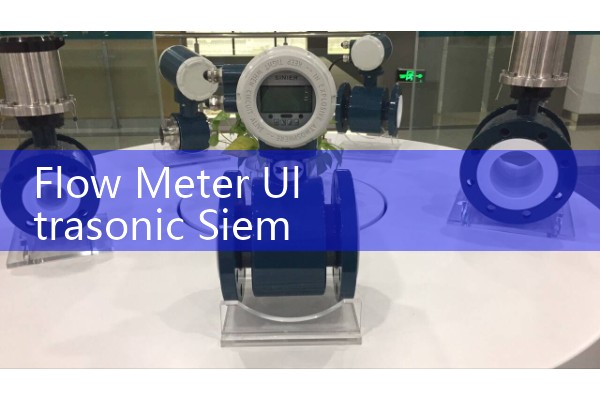
Flow Meter Ultrasonic Siemens Manual: Calibrating Sitrans F M Clamp-On Systems
Quick Answer: For a Siemens clamp-on ultrasonic flow meter, first verify transducer spacing, zero flow, and signal strength. For a SITRANS F M transmitter, run the analog output trim and check the low flow cut off. Send us your pipe size (DN), fluid, pressure (bar), and temperature (degree C) for a field calibration procedure from Silver Automation Instruments.
This field guide follows the Siemens flow meter ultrasonic manual for SITRANS F M and clamp-on systems. Most field errors come from setup data, not the transmitter hardware.
What the Siemens Manual Says About Clamp-On Calibration
Most engineers skip the zero point check. In practice, that step catches three out of five calibration errors on clamp-on systems.
A SITRANS FUS060 or FUS380 clamp-on meter needs the correct transducer spacing. The Siemens manual gives the spacing based on pipe outside diameter, wall thickness, and liner. If the pipe is DN100 carbon steel with 6 mm wall, the spacing must match the programmed value within 0.5 mm. We saw this on a water line in Vietnam. The sensor spacing was off by 3 mm and the meter read 4 percent low.
After you enter the pipe data, the transmitter calculates the expected sound speed. Compare the live sound speed with the value in the Siemens manual. A deviation more than 2 percent means air bubbles, poor coupling, or wrong pipe data.
SITRANS F M Transmitter Calibration in the Field
The SITRANS F M electromagnetic flowmeter uses a different sensor principle. However, many sites treat the transmitter setup the same way. The manual for the MAG 5000 or MAG 6000 tells you to run a 4-20 mA trim in the output menu. Do this before you adjust the flow calibration factor.
Check the low flow cut off. In wastewater and chemical batching, a low flow cut off set too high hides real flow. A value of 0.5 percent of maximum flow works for most clean water lines. For slurries with conductivity above 10 µS/cm, keep the damping at 3 to 5 seconds. These are the small settings that prevent master meter comparison errors.
Recommended Parameters for a Clamp-On Calibration
For a DN50 line at 20 degree C and 3 bar with clean water, start with signal strength above 60 percent and zero flow velocity below 0.02 m/s. The SITRANS FUS060 with standard transducers fits this range. For larger lines from DN100 to DN6000 or aggress
If the line is hot, above 80 degree C, use high temperature coupling compound and verify the transducer rating. If you need an ATEX Zone 1 setup, tell us before shipping. Silver Automation Instruments supplies clamp-on ultrasonic meters for pipe sizes from DN15 to DN6000 with 4-20 mA HART, Modbus RTU, and PT100 input for heat measurement.
Common Calibration Mistakes We See on Customer Sites
One food plant in Thailand calibrated the transmitter but ignored the liner. The pipe was rubber lined. The Siemens manual says to select the correct liner because sound speed changes. The meter read 6 percent high until the liner parameter was set to rubber.
Another mistake is comparing a clamp-on meter to a turbine meter without straight run. A clamp-on meter needs 10D upstream and 5D downstream for a single path unit. If the installation is close to a pump or elbow, the profile distorts. No transmitter calibration will fix that.
FAQ
How do I zero a Siemens clamp-on ultrasonic flow meter?
Close the downstream valve, wait for zero flow, and run the zero adjustment in the transducer setup menu. The reading should settle within 0.02 m/s. If it does not, check coupling and cable connections.
What is the signal strength for a healthy clamp-on installation?
A SITRANS FUS transmitter should show signal strength above 60 percent. Between 40 and 60 percent you can still measure, but not for custody transfer. Below 40 percent, stop and fix the sensor.
Does the SITRANS F M flow meter need wet calibration?
No. Electromagnetic flow meters hold their calibration from the factory. Field verification uses the transmitter diagnostics and a reference meter. You can adjust the 4-20 mA output manually.
Can I calibrate a clamp-on meter on a hot pipe?
Yes, if the transducer and coupling can handle the temperature. Standard setups work to 80 degree C. High temperature transducers go to 200 degree C on some clamp-on models.
What data should I send for a quote or calibration help?
Send your fluid name, pipe outside diameter, wall thickness, pipe material, liner, temperature, pressure, and flow range. Use WhatsApp +86-25-52155837, WeChat +86 15365082610, or call +86-25-68650347. We reply with a model match and a field calibration checklist. You can also check the product range at flow-meter.com.au.
 Hot Blog
 Related AD