

『Flow Meter Nitto Seiko Manual: Servicing Rotary Piston Positive Displacement Sensors』Related information(flow rotameter|digital flow meter|balo meter|hydraulic flow meter|volumetric meter|positive displacement meter|pitot tube flow meter|displacement meter|cfm meter|variable area flow meter|inline flow meter|differential pressure flow meter|calibrated flow meter|velocity meter|paddle wheel flow meter|oval gear flow meter|anemometer hvac|multiphase flow meter|doppler flow meter|thorpe tube flowmeter|heat flow meter)
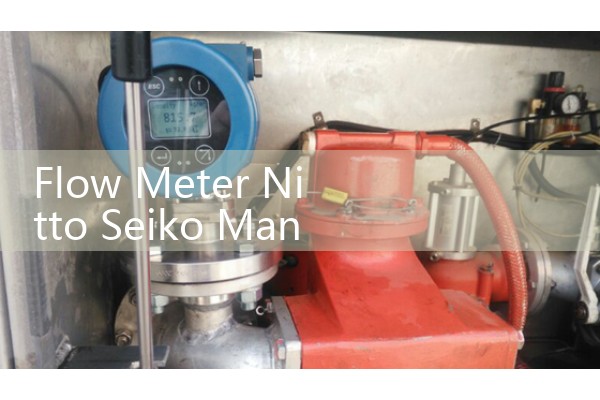
Flow Meter Nitto Seiko Manual: Servicing Rotary Piston Positive Displacement Sensors
Quick Answer
Rotary piston positive displacement sensors need periodic cleaning, seal replacement, and clearance checks. Follow the Nitto Seiko manual for isolation, drain, rotor inspection, reassembly, and calibration. For teams that cannot wait on spare parts, Silver Instruments offers compatible service support and replacement flow meter options in Southeast Asia, Oceania, Latin America, Africa, and the Middle East.
Silver Automation Instruments works with flow meters daily. We service and replace positive displacement sensors on fuel, chemical, paint, food, and water lines. This page covers the key service points from the Nitto Seiko rotary piston flow meter manual. It is written for maintenance engineers and procurement staff who need a clear procedure, not general theory.
What the Nitto Seiko Manual Covers
The Nitto Seiko rotary piston positive displacement sensor measures volume by moving a rotor inside a measuring chamber. The manual describes how to remove the sensor from the line, open the measuring chamber, inspect the rotor and ring piston, check clearances, replace seals, and verify output after reassembly. Several models in the field are DN15 to DN50, with flow ranges around 0.2 L/h to 120 L/min depending on viscosity.
Typical process conditions include pressures up to 1.6 MPa or 2.5 MPa. Temperature ratings often sit near 120 °C for standard models. Viscosity can range from 0.5 cP to over 1000 cP. The manual highlights that changes in viscosity, temperature, and back pressure affect the slip flow inside the chamber. That is why service work must include a calibration check after mechanical work.
Before You Start the Service
Isolate the flow meter from the process. Close the inlet and outlet valves. Drain the measuring chamber safely. For fuel, solvent, or chemical service, follow site permit procedures. The Nitto Seiko manual states that residual liquid can spray when the cover is removed. Wear chemical resistant gloves and eye protection. Place a drip tray under the meter body.
Take a reference reading before shutdown. Record the current flow total, the current output signal, and the process temperature. This helps you compare performance after service. For a 4-20 mA output with HART, record the loop current at zero flow and at a known high flow. For a pulse output sensor, note the K-factor from the nameplate or the manual. This is the number of pulses per unit volume.
Step by Step Rotary Piston Sensor Service
Most engineers skip this part, but the manual order matters. Start by removing the pulse transmitter or mechanical counter carefully. Disconnect the signal cable only after the loop is de-energized. On a 4-20 mA HART unit, removing the sensor head under power can damage the electronics. On pulse output units, check the reed switch or hall sensor for cracks or moisture. We have seen this failure many times on fuel depots in Vietnam and Indonesia.
Next, unbolt the meter cover. Use a star pattern to release the bolts evenly. Lift the cover straight up. Do not lever the cover against the edge. The piston ring and rotor sit in the measuring chamber. Mark their original position with a marker or a light scribe line. The Nitto Seiko manual recommends keeping the same rotor and ring pair together. Swapping parts between meters can reduce accuracy because clearances are matched at factory.
Inspect the rotor, ring piston, and chamber for scratches, scoring, or coating buildup. For food and beverage plants, sugar syrup or edible oil can harden inside the chamber. A dairy plant in Indonesia found that dried milk residue made the rotor stick. Cleaning with warm water and mild detergent restored movement. For chemical batching, hardened resin may require solvent cleaning. Always check chemical compatibility with the chamber and O-ring material. Common seal materials are FKM, PTFE, or EPDM. Using the wrong solvent can swell a FKM O-ring within hours.
Check the clearances between the rotor, ring piston, and chamber wall. The manual gives a wear limit. If the clearance exceeds the limit, the liquid slips backward and the meter undercounts. Worn clearances are a common fault on low viscosity fluids like diesel or solvent. In practice, a worn rotor on a 2 cP solvent line can show a 2 to 5 percent under-registration before the meter fails completely.
Replace soft seals, O-rings, and gaskets at each service. The Nitto Seiko manual groups seal kits by model and process temperature. Do not reuse a deformed O-ring. Lubricate the new O-ring with a thin film
Reassembly and Calibration Check
Tighten the cover bolts in a star pattern to the torque value in the manual. Over-tightening can distort the measuring chamber. Under-tightening can leak on low viscosity fluids. Reconnect the transmitter and restore power. Start the process slowly. Vent the meter body to release trapped air. Air in a positive displacement chamber causes high pulse spikes and a false high reading at the start.
Compare the new readings with your reference data from before service. If the meter has a pulse output, count the output against a proving vessel or a weigh scale. For a 4-20 mA HART output, use a handheld communicator to check the PV, LRV, and URV. The manual includes a K-factor adjustment or calibration table for some models. If your model uses a mechanical counter, run a known volume and compare the difference.
Here is the thing. Many plants skip the zero check. A rotary piston meter can read a small flow even at zero process flow if the rotor is pushed by trapped pressure. Verify zero flow output before restarting the batch. If the output is not zero, check for leakage around the valve or thermal expansion in a closed line.
Common Faults and Field Fixes
We have seen the same faults on customer sites many times. A paint manufacturer in Southeast Asia had unstable readings on a DN20 rotary piston sensor. The cause was dried pigment inside the ring piston groove. A solvent flush and new O-rings fixed the meter. A food oil blender in Saudi Arabia had a pulse output that stopped at high temperature. The sensor gap had been set too tight after an incorrect rebuild. Re-gapping the pick-up to the manual specification restored counting.
Low flow undercounting is usually wear, coating, or a bypass valve that is not fully closed. High readings are usually air, gas pockets, or a damaged pick-up. Mechanical noise or an uneven rotation often means a damaged bearing or a bent rotor. If the sensor housing is hot to touch at normal flow, check for bearing wear or high viscosity fluid above the manual limit.
When to Replace Instead of Repair
If the rotor, ring piston, and chamber are scored, replacement parts can cost close to a new meter. If the meter is in a critical custody transfer line, downtime can cost more than the hardware. For DN15 to DN50 positive displacement applications, Silver Instruments offers an oval gear flow meter replacement. Oval gear meters also measure volume and work well for diesel, fuel oil, paint, resin, glucose syrup, and edible oil. We can match the process connection, flow range, pressure rating, and output type.
Send us your flow range in L/h or L/min, process fluid, viscosity in cP, pressure in bar, temperature in °C, pipe size in DN, and required output. We will propose a drop-in replacement or a service part source. The contact details are below.
FAQ
Does the Nitto Seiko manual cover rotary piston sensor cleaning?
Yes. The manual explains how to open the measuring chamber, remove the rotor and ring piston, clean the parts, and inspect wear. Use cleaning agents that match the process and seal material.
How often should a rotary piston positive displacement sensor be serviced?
Most sites service every 6 to 12 months for continuous duty. For dirty or polymerizing fluids, service every 3 months. Always check the manual for the recommended interval based on process conditions.
What is the first sign of wear in a rotary piston meter?
The first sign is undercounting at low flow. The meter passes less liquid than expected because fluid slips back through worn clearances. A proving test or weigh scale check will confirm the error.
Can Silver Instruments repair a Nitto Seiko rotary piston flow meter?
We can help with seal kits, spare part sourcing, and replacement options. For critical lines, we recommend a compatible oval gear flow meter or another positive displacement meter from our range. Contact us with the tag details and process data.
What output options do you support for replacement rotary piston sensors?
We supply pulse output, 4-20 mA HART, and mechanical counter versions. We also supply explosion proof models for ATEX Zone 1 and Zone 2 installations. Tell us the hazardous area rating and the required power supply.
Contact Silver Automation Instruments.
Tel: +86-25-68650347
Whatsapp: +86-25-52155837
WeChat: +86 15365082610
 Hot Blog
 Related AD