

『Gentec Flow Meter Regulators: Calibrating Thorpe Tube Gas Regulators for Precise Medical Deliveries』Related information(flow rotameter|digital flow meter|balo meter|hydraulic flow meter|volumetric meter|positive displacement meter|pitot tube flow meter|displacement meter|cfm meter|variable area flow meter|inline flow meter|differential pressure flow meter|calibrated flow meter|velocity meter|paddle wheel flow meter|oval gear flow meter|anemometer hvac|multiphase flow meter|doppler flow meter|thorpe tube flowmeter|heat flow meter)
Gentec Flow Meter Regulators: Calibrating Thorpe Tube Gas Regulators for Precise Medical Deliveries
Quick Answer: Gentec flow meter regulators and Thorpe tube gas regulators need calibration checks against a reference flow meter. A calibrated thermal mass flow meter or a precision rotameter can verify the actual gas output. This practice keeps oxygen, air, and nitrous oxide delivery safe in medical settings.
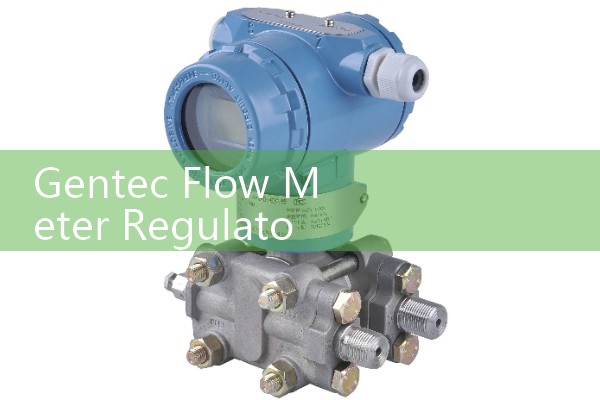
Precise medical gas delivery depends on flow regulators that hold setpoint under changing cylinder pressure. Hospital staff use Gentec flow meter regulators for oxygen therapy, critical care, and anesthesia work. Thorpe tube gas regulators look simple from the outside. Inside the clear tube, a ball or bobbin float responds to gas flow. A small change in back pressure or tube contamination shifts the reading. Calibration brings the indicated flow back to the actual flow.
Calibration is not the same as a repair. It compares a device under test to a known reference. If the device drifts, a technician may adjust the needle valve, replace the float, or clean the tube. We have seen this on customer sites many times.
Why Thorpe Tube Calibration Matters in Medical Gas Delivery
A Thorpe tube works on a variable area principle. Gas enters the bottom of a tapered tube. The float rises until the area around the float balances flow. The height of the float relates to flow rate. This method is reliable but not immune to drift.
In hospitals, a flow error of 10 percent can change patient outcomes. A premature infant receiving 0.5 L/min oxygen needs tight control. An adult in recovery may need 4 L/min. If the regulator reads 4 L/min but delivers 3 L/min, the clinical team may make wrong decisions.
Most biomedical teams schedule calibration every 6 to 12 months. The exact interval depends on usage, gas type, and local regulations. Some units in high dust environments drift faster. We have seen this in the Middle East. Dust and humidity attack the tube surface and the float.
Because medical gas regulators handle oxygen, the calibration setup must be clean. No oil, no grease, no hydrocarbon residue. A small amount of oil in an oxygen line can cause a fire. Most engineers skip this part, but it matters more than the meter accuracy.
Tools Needed for Calibrating Thorpe Tube Gas Regulators
The main reference tool is a calibrated flow meter. For field calibration, many teams use a thermal mass flow meter. It gives direct mass flow readings in L/min or kg/h. A 4-20 mA HART output lets the reference meter feed data to a laptop or a calibration bench. Some labs use a precision rotameter with a glass tube. The reference meter should have an accuracy at least three times better than the unit under test.
You also need a clean gas source. Medical oxygen or air from a cylinder works. A pressure regulator upstream sets the supply pressure. Most Thorpe tube flow regulators are rated for 50 psi or about 3.4 bar. Check the nameplate before connecting anything. A pressure gauge with 0.25 percent full scale accuracy helps. You need a stopwatch, a soap film flow meter, or a dry piston flow calibrator for low flow checks below 1 L/min.
Silver Instruments supplies thermal mass flow meters and pressure transmitters for gas lines. Our meters cover air, oxygen, nitrogen, and mixed gas. For medical calibration benches, a low flow thermal mass meter works well. Some customers use our pressure transmitters to monitor the inlet pressure during calibration.
Step by Step Field Calibration Procedure
Here is the thing. Calibration procedures vary by model. Always read the Gentec manual for the specific flow meter regulator. The steps below are a general field method.
First, inspect the Thorpe tube. Remove the unit from service. Check the tube for cracks, scratches, or film deposits. Check the float for wear. Replace damaged parts before calibration.
Second, connect the reference flow meter downstream of the regulator. Use clean fittings and short tubing. Long tubing adds pressure drop. A pressure drop shifts the float reading. Keep the outlet at atmospheric pressure unless you simulate a specific back pressure.
Third, set the upstream supply pressure to the value on the nameplate. For many Gentec units, this is 50 psi or 3.4 bar. Record the supply pressure. If the supply pressure drifts during test, the flow reading also drifts.
Fourth, open the regulator slowly. Set the float to the first test point. Common test points are 0.5, 1, 2, 4, 8, and 15 L/min for oxygen therapy regulators. Let the flow settle for 30 seconds. Read the reference meter. Compare the reference reading to the regulator scale.
Fifth, repeat at least three points across the range. Low flow, mid flow, and high flow. A regulation device may pass at 2 L/min but fail at 15 L/min. Most teams accept a tolerance of plus or minus 10 percent of reading. For critical applications, some hospitals tighten this to plus or minus 5 percent.
Finally, record the as found data. If the unit passes, return it to service. If it fails, adjust per the manufacturer instructions. Some Gentec Thorpe tube gas regulators have no field adjustment. If adjustment is not possible, replace the tube or the regulator.
Real World Drift and Calibration Data
A biomedical equipment company in Vietnam tested 20 Gentec flow meter regulators from three district hospitals. The units had been in service for 14 months. Two units read within 2 percent of reference across all flow points. Eleven units read within 5 percent. Five units drifted between 6 and 9 percent at low flow. Two units failed at high flow because the float stuck.
Another customer in Saudi Arabia asked us about a reference thermal mass flow meter for oxygen therapy regulators. They wanted a portable unit that could run from a battery and log data. The main challenge was oil free connection. We supplied a low flow meter with 1/4 inch compression fittings and a 4-20 mA output.
Silver Instruments Support for Gas Flow Calibration
Silver Instruments is not a medical device manufacturer. We supply industrial flow meters and pressure instruments. But many calibration labs use our equipment as reference meters for gas flow testing. Our thermal mass flow meters cover ranges from 0.01 L/min to 200 L/min for gas. Some models include a digital display and HART communication. Others use a simple 4-20 mA signal.
For a calibration bench, you may need a flow meter with fast response and low pressure drop. Our low flow thermal mass meters meet that need. We also supply pressure transmitters with 0.1 percent accuracy for monitoring inlet pressure. A bench setup with a thermal mass flow meter and a pressure transmitter gives you repeatable data.
If your team calibrates Thorpe tube gas regulators, send us your gas type, flow range in L/min, pressure in bar, and connection size. We can suggest a reference meter for your setup. Our contact details are below.
Tel: +86-25-68650347
Whatsapp: +86-25-52155837
WeChat: +86 15365082610
FAQ
Question 1: How often should Gentec Thorpe tube flow meter regulators be calibrated?
Most hospitals calibrate every 6 to 12 months. High dust or heavy usage may require a shorter interval. Check local medical gas regulations for the exact period.
Question 2: Can a thermal mass flow meter calibrate a Thorpe tube gas regulator?
Yes. A thermal mass flow meter with a low flow range works well. Make sure the reference meter is clean and calibrated. It should be at least three times more accurate than the unit under test.
Question 3: What gas types can these regulators handle?
Gentec flow meter regulators typically handle oxygen, air, nitrous oxide, and carbon dioxide. Always match the regulator to the gas type. Do not use an oxygen regulator for a different gas without checking compatibility.
Question 4: What is a typical tolerance for a medical Thorpe tube regulator?
A common tolerance is plus or minus 10 percent of reading. Some critical care units tighten this to plus or minus 5 percent. The tolerance should come from the hospital protocol or the device specification.
Question 5: Why does a Thorpe tube float stick during calibration?
Dirt, oil film, static charge, or a damaged tube can cause the float to stick. Clean the tube with an approved solvent. Replace the tube if it is scratched or clouded.
Need a reference flow meter for your gas calibration bench? Tell us your gas type, flow range in L/min, pressure in bar, and connection size. We will recommend a Silver Instruments thermal mass flow meter for your setup.
Tel: +86-25-68650347
Whatsapp: +86-25-52155837
WeChat: +86 15365082610
 Hot Blog
 Related AD