

『Gas Flow Meter Sensor Materials: Choosing Stainless Steel vs Aluminum Housings for Corrosive Gases』Related information(flow rotameter|digital flow meter|balo meter|hydraulic flow meter|volumetric meter|positive displacement meter|pitot tube flow meter|displacement meter|cfm meter|variable area flow meter|inline flow meter|differential pressure flow meter|calibrated flow meter|velocity meter|paddle wheel flow meter|oval gear flow meter|anemometer hvac|multiphase flow meter|doppler flow meter|thorpe tube flowmeter|heat flow meter)
Gas Flow Meter Sensor Materials: Choosing Stainless Steel vs Aluminum Housings for Corrosive Gases
Quick Answer: For corrosive gas service, choose a 316L stainless steel housing and 316L or Hastelloy C-276 wetted sensor parts. Aluminum housings are only suitable for dry, clean gases like nitrogen, argon, and compressed air. If your gas contains H2S, HCl, Cl2, SO2, wet CO2, or acid vapors, do not specify an aluminum body.
Why Housing Material Matters
Gas flow meters often sit in humid plants, offshore skids, or chemical process lines. The housing protects the sensor electronics from ambient corrosion. The wetted sensor part touches the gas directly. Both must survive the gas composition, pressure, and temperature. A cheap aluminum housing can save money at first. In corrosive gas service it becomes a maintenance problem fast.
Here is the thing. Aluminum is fine until moisture and aggressive ions appear. Then pitting and white oxide scale start. We have seen this on customer sites many times. The housing may look intact on the outside but loses structural integrity at threaded ports and O-ring grooves.
Aluminum Housings Are Light but Not for Corrosive Gas
Aluminum alloy housings weigh less than stainless steel. They cost less too. This works for dry nitrogen, argon, helium, and compressed air. A packaging plant in Selangor uses aluminum housing thermal mass flow meters on dry compressed air at 7 bar and 25 °C. Those meters have run without housing issues for 5 years.
But corrosive gases attack aluminum quickly. Wet chlorine, HCl vapor, H2S, SO2, and ammonia with moisture form acids or alkaline films. The aluminum oxide layer breaks down. Gas leaks at the housing seals can appear within months. A Vietnam chemical plant measured vent gas with trace HCl at 40 °C. The aluminum housing showed pitting after 3 months. We replaced it with 316L stainless steel.
Stainless Steel Housings for Corrosive and Wet Gas
316L stainless steel resists most industrial corrosive gas environments. It handles wet CO2, low concentrations of H2S, ammonia, and many solvent vapors. For stronger acid gases like wet chlorine or HCl, the housing can be 316L but the sensor wetted parts often need Hastelloy C-276. This combination costs more. It lasts much longer in aggressive service.
Do not assume all stainless steel is equal. 304 stainless steel is better than aluminum but can still pit in chloride environments. 316L adds molybdenum for better pitting resistance. For offshore and marine gas service, specify 316L at a minimum. We have supplied 316L thermal mass flow meters to a gas utility in Dammam for sour gas with H2S around 500 ppm. They operate at 12 bar and 60 °C.
Sensor Material vs Housing Material
Most engineers skip this part. The sensor material matters more than the housing. In thermal mass flow meters, the sensor probes contact the gas. For corrosive gas, use 316L probes as the base. If the gas contains wet chlorine, HCl, or high H2S, upgrade the probes to Hastelloy C-276. The housing can be 316L with an IP66 or IP67 rating.
For vortex flow meters on corrosive gas, the shedder bar and sensor also need stainless steel or Hastelloy. Aluminum bodies are generally not acceptable for wet or sour gas. Silver Instruments can configure vortex and thermal mass flow meters with 316L housings and Hastelloy wetted parts on request.
Selection Criteria: Gas Type, Dew Point, and Pressure
Before you choose a housing material, list the gas components and water
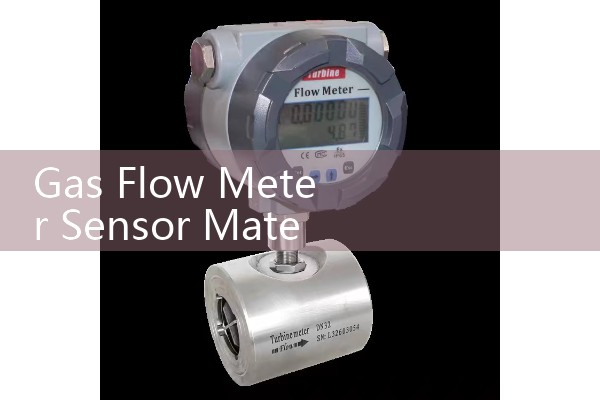
Check the operating pressure and temperature too. Aluminum housings are common on thermal mass flow meters up to 16 bar and 50 °C. Stainless steel covers higher pressure classes and temperatures. For corrosive gas above 50 °C, choose stainless steel.
And never ignore the O-ring material. For corrosive gas, use Viton or Kalrez instead of standard NBR. The metal body is not the only seal.
Application Examples from Southeast Asia and the Middle East
A specialty gas supplier in Manila uses stainless steel thermal mass flow meters on 99.995 percent argon lines. The gas is not corrosive. They still chose 316L because the plant washes the skids with water. Stainless steel prevents corrosion at threaded ports.
In Oman, a wastewater treatment plant measures biogas with around 1500 ppm H2S. We recommended 316L housing with Hastelloy sensor parts. The initial price was higher, but the meters have been stable for 3 years. Aluminum would have failed within one year.
Recommended Material Combinations
For dry clean air, nitrogen, argon, or helium: aluminum housing with 316L sensor is enough. For humid air or outdoor installation: 316L housing with 316L sensor. For biogas, sour gas, or acid vapors: 316L housing with Hastelloy C-276 sensor. For wet chlorine and strong oxidizers: specify full Hastelloy wetted parts and contact Silver Instruments.
These combinations apply to thermal mass flow meters, vortex flow meters, and gas flow sensor assemblies. Silver Automation Instruments supplies flow meters for pipe sizes from DN15 to DN300. Flow range can be configured in kg/h, Nm3/h, or SCFM.
Get a Quote for Corrosive Gas Flow Meters
Send us your gas composition, moisture content, pressure in bar, temperature in °C, pipe size DN, and required flow range in kg/h or Nm3/h. We will recommend the housing and sensor material. Contact Silver Automation Instruments. Tel +86-25-68650347. WhatsApp +86-25-52155837. WeChat +86 15365082610.
Visit flow-meter.com.au and silverinstruments.com for product data and application notes. As a flow meter manufacturer and supplier, Silver Automation Instruments serves B2B customers in Southeast Asia, the Middle East, Latin America, Africa, and Oceania.
FAQ
Is aluminum housing safe for natural gas flow measurement?
Yes, for dry sweet natural gas with no H2S and a low dew point. If the gas is sour or wet, choose 316L stainless steel.
Which stainless steel grade should I choose for corrosive gas?
Use 316L as the minimum. It resists pitting better than 304. For chloride and acid gas, upgrade to Hastelloy C-276 on all wetted parts.
Can I use an aluminum flow meter for biogas with H2S?
No. H2S with moisture forms acid. Aluminum housings corrode quickly. Use a 316L housing and Hastelloy sensor for biogas with H2S above 100 ppm.
What sensor materials work with wet chlorine and acid gases?
Hastelloy C-276 works for wet chlorine and most acid gases. Use it for sensor probes, shedder bars, and wetted parts. The housing can be 316L with proper seals.
How do I send an inquiry for a corrosive gas flow meter?
Send your gas composition, pressure in bar, temperature in °C, pipe size DN, and flow range in kg/h or Nm3/h to Silver Automation Instruments. Tel +86-25-68650347. WhatsApp +86-25-52155837. WeChat +86 15365082610.
 Hot News
 Related AD