

『Flow Meter Sensor Types Explained: Mechanical, Electrical, Ultrasonic, and Optical Operational Basics』Related information(flow rotameter|digital flow meter|balo meter|hydraulic flow meter|volumetric meter|positive displacement meter|pitot tube flow meter|displacement meter|cfm meter|variable area flow meter|inline flow meter|differential pressure flow meter|calibrated flow meter|velocity meter|paddle wheel flow meter|oval gear flow meter|anemometer hvac|multiphase flow meter|doppler flow meter|thorpe tube flowmeter|heat flow meter)
Flow Meter Sensor Types Explained: Mechanical, Electrical, Ultrasonic, and Optical Operational Basics
Quick Answer: Mechanical sensors use moving parts such as gears or turbines. Electrical sensors detect voltage, frequency, or heat. Ultrasonic sensors use sound waves to measure flow velocity. Optical sensors use light reflection or transmission. Choose a type based on fluid conductivity, viscosity, pipe size, pressure, and required accuracy.
Mechanical Flow Meter Sensors: Oval Gear and Turbine Basics
Mechanical flow meters need no external power for the sensor. Oval gear and turbine types are common. An oval gear meter measures positive displacement. Each pocket of fluid turns two oval-shaped gears. The shaft rotation gives a pulse or 4-20 mA signal. These meters work well for diesel, lube oil, heavy fuel oil, and some chemicals. Viscosity often ranges from 1 cP to 1000 cP. We have supplied oval gear flow meters to a paint manufacturer in Southeast Asia for solvent batching. The batch accuracy target was 0.5 percent. The meter size was DN25. In practice, mechanical sensors need clean fluid. Solid particles can jam the gears. When the liquid is dirty, most engineers switch to an electromagnetic or ultrasonic type. Turbine meters are also mechanical. They suit low viscosity fuels and water. But they need a strainer and a straight pipe run.
Electrical Flow Meter Sensors: Electromagnetic, Vortex, and Thermal Mass
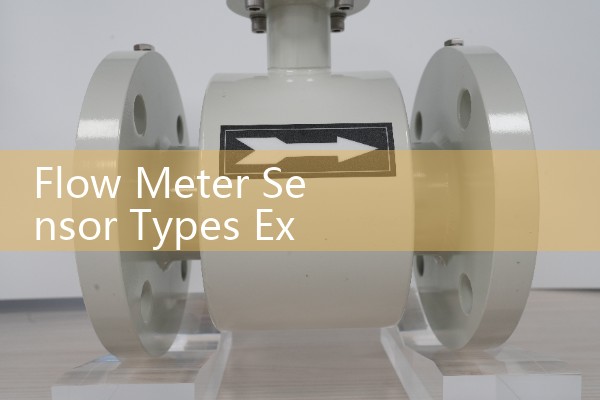
Electrical sensor types cover a wide range. An electromagnetic flow meter measures voltage generated by a conductive fluid moving through a magnetic field. It needs conductivity above 5 µS/cm typically. Water and wastewater applications are strong. Size range often goes from DN15 up to DN2000. The liner and electrode material decide chemical compatibility. A Silver Instruments electromagnetic flow meter gives outputs like 4-20 mA HART, pulse, and RS485. It has no moving parts. Pressure loss is low. For steam, gas, and clean liquids, a vortex flow meter is a good fit. The sensor reads vortex shedding frequency behind a bluff body. It can output volumetric flow or mass flow with pressure and temperature compensation. A customer in Vietnam ordered vortex flow meters for saturated steam at 12 bar and 180 °C. The pipe size was DN80. Thermal mass flow meters suit compressed air, biogas, and natural gas. They measure heat removal from a heated PT100 or thermistor sensor. This type gives direct mass flow for gases, no pressure compensation needed. Do not use thermal mass for liquids.
Ultrasonic Flow Meter Sensors: Transit Time and Doppler
Ultrasonic flow meters send sound waves through the fluid. Transit time sensors compare upstream and downstream signal speed. They work well on clean water, seawater, chemicals, and district energy systems. Clamp-on models mount on the outside of a pipe. No process shutdown is needed. Pipe materials change signal strength. Carbon steel, stainless steel, and copper are good. Concrete or lined pipes can be difficult. Doppler ultrasonic sensors detect reflected sound from particles or bubbles. They are less common in clean water. Desalination plants in the Middle East often use clamp-on or inline ultrasonic flow meters for seawater intake and brine lines. A seawater flow meter for desalination plant duty needs a corrosion resistant transducer and often a spool piece. Silver Instruments supplies inline ultrasonic meters from DN25 to DN3000. Accuracy is usually 1 percent of reading or better on clean liquid. Clamp-on units work best with fully filled pipes and a straight pipe run.
Optical Flow Meter Sensors: Where They Fit
Optical sensors are a niche option. They use light absorption, scattering, or particle imaging to infer velocity or detect flow presence. Some models are used in microfluidics and laboratory test rigs. Industrial optical flow meters are not common for large line sizes. They do not handle high turbidity well. In oil and gas, optical sensors sometimes appear in flare gas monitoring or research systems. For most process plants, electromagnetic, Coriolis, ultrasonic, or vortex sensors are more practical. Optical sensors can offer high speed and no moving parts. But they need a clean optical window. Coating or fouling changes the signal. We rarely recommend optical flow meters for raw water intake lines or heavy fuel oil. If you think an optical sensor fits your lab or process, send us your fluid type, pipe size, and expected flow range. Our engineers will check if a standard mechanical, electrical, or ultrasonic sensor gives better value.
Coriolis Mass Flow Meters and Sensor Selection
Coriolis mass flow meters are electrical in signal but measure mass directly.
Pressure Transmitters and Paperless Recorders as Supporting Instruments
Flow sensors often work alone. But many measurement loops need pressure transmitters and recorders. A pressure transmitter before and after a flow meter gives differential pressure for diagnostics. It also gives line pressure for gas flow correction. Our pressure transmitters cover ranges from -1 bar to 1000 bar. Output options include 4-20 mA HART and RS485. For steam flow, you may need a pressure transmitter and a temperature sensor. A paperless recorder logs flow, pressure, and temperature data. It helps prove batch quality and diagnose sensor drift. We offer paperless recorders with 1 to 48 channels. These units accept 4-20 mA, pulse, and PT100 inputs. Many water treatment plants in Australia use a flow meter plus a recorder for compliance reporting.
How to Choose a Sensor Type for Your Application
Start with the fluid. Conductivity, viscosity, cleanliness, and temperature decide the shortlist. For water and wastewater, choose an electromagnetic flow meter. For steam and gas, choose a vortex or thermal mass flow meter. For diesel, heavy oil, and viscous food products, choose an oval gear or Coriolis flow meter. For seawater desalination, choose an inline ultrasonic or electromagnetic flow meter with a suitable liner. For compressed air and biogas, choose a thermal mass flow meter. For custody transfer, choose a Coriolis meter. For budget conscious chemical batching, a Silver Instruments electromagnetic flow meter with PTFE liner is often enough. Always confirm pipe size. DN15 to DN200 sensors are in stock. Larger sizes up to DN2000 are available with a short lead time. Also confirm your output requirement. Most control systems need 4-20 mA HART or Modbus. For hazardous areas, ask for ATEX Zone 1 certification. We can supply Ex d or Ex ia versions. In practice, an experienced supplier can narrow the choice in one or two emails. Send us your fluid type, conductivity in µS/cm, viscosity in cP, pressure in bar, temperature in °C, pipe size in DN, and flow range. We will reply with a model recommendation and price.
FAQ: Flow Meter Sensor Types
What is the difference between mechanical and electrical flow meter sensors?
Mechanical sensors use moving parts that rotate or reciprocate. Examples are oval gear and turbine meters. Electrical sensors use electromagnetism, frequency, or heat. Examples are electromagnetic, vortex, and thermal mass meters.
Which flow meter type is best for wastewater with low conductivity?
Electromagnetic flow meters need about 5 µS/cm or more. If conductivity is lower, use an ultrasonic transit time meter. For raw sewage and sludge lines, electromagnetic remains the workhorse.
Can ultrasonic flow meters work on metal pipes?
Yes. Clamp-on transit time sensors work well on carbon steel, stainless steel, and copper pipes. The pipe must be full. The outer surface must be clean. Lined or corroded pipes may weaken the signal.
What flow meter do you recommend for diesel or heavy oil?
Oval gear positive displacement meters are a strong choice for diesel, lube oil, and heavy fuel oil. They handle viscosities up to about 1000 cP and give good batch accuracy. For large marine fuel lines, a Coriolis mass flow meter is better.
How do I get a price for a flow meter with ATEX Zone 1 approval?
Send Silver Automation Instruments your fluid type, pressure in bar, temperature in °C, pipe size in DN, and flow range. You can reach us by phone at +86-25-68650347, on WhatsApp at +86-25-52155837, or on WeChat at +86 15365082610. We will propose an ATEX Zone 1 certified model and a quotation.
For product details, visit flow-meter.com.au or contact Silver Automation Instruments. Our engineers help customers in Southeast Asia, Oceania, Latin America, Africa, and the Middle East select the right flow meter sensor type.
 Hot Product
 Related AD